Football match analysis is the process of studying a football game using statistics, tactics, player performances, and match events. It helps fans understand not only the final score, but also how the match developed and why certain events happened.
Modern football analysis combines traditional statistics with detailed performance data to provide a clearer picture of a game.
What Is Football Match Analysis?
Football match analysis involves examining different aspects of a football match.
This can include:
- Goals
- Assists
- Possession
- Shots
- Passing
- Defensive actions
- Player performances
- Team tactics
- Match events
Analysis can be performed after a match or, in some cases, during the game using live data.
Why Is Football Match Analysis Important?
A final score does not explain everything that happened during a match.
For example, a match ending 1–0 could involve one team dominating possession and creating many chances, or it could involve a closely contested game with very few opportunities.
Match analysis adds more context by looking at different statistics and events.
Key Football Match Statistics
Some of the most common statistics used in match analysis are:
| Statistic | Description |
|---|---|
| Goals | Goals scored by each team |
| Possession | Percentage of ball possession |
| Shots | Total shooting attempts |
| Shots on Target | Shots directed toward the goal |
| Passes | Number of passes |
| Passing Accuracy | Percentage of completed passes |
| Corners | Corner kicks |
| Fouls | Fouls committed |
| Yellow Cards | Yellow cards received |
| Red Cards | Red cards received |
| Offsides | Offside decisions |
These statistics help describe the overall flow of a match.
Attacking Analysis
Attacking analysis focuses on how teams create and finish scoring opportunities.
Important metrics include:
- Goals
- Shots
- Shots on target
- Chances created
- Big chances
- Expected goals (xG)
- Crosses
- Key passes
- Touches in the penalty area
For example, a team may have 15 shots while its opponent has only 5. This provides information about the number of attempts, although it does not by itself determine which team was more effective.
Defensive Analysis
Defensive analysis examines how teams prevent the opposition from creating or finishing chances.
Common defensive statistics include:
- Tackles
- Interceptions
- Clearances
- Blocks
- Recoveries
- Defensive errors
- Goals conceded
- Clean sheets
These statistics can help identify different defensive actions during a match.
Possession Analysis
Possession statistics show the percentage of time each team controls the ball.
For example:
| Team | Possession |
|---|---|
| Team A | 58% |
| Team B | 42% |
Possession can provide useful information about ball control and build-up play, but it should normally be considered alongside other statistics.
Passing Analysis
Passing statistics are often used to study how teams build attacks.
A match report can include:
- Total passes
- Completed passes
- Passing accuracy
- Key passes
- Through balls
- Long passes
- Crosses
For example, a team completing 500 of 560 passes has a passing accuracy of approximately:
500 ÷ 560 × 100 = 89.3%
Player Performance Analysis
Football match analysis can also focus on individual players.
A player report may include:
| Statistic | Player A |
|---|---|
| Minutes | 90 |
| Goals | 1 |
| Assists | 1 |
| Shots | 4 |
| Key Passes | 3 |
| Passes Completed | 42 |
| Tackles | 2 |
The relevant statistics depend on the player’s position and role.
Tactical Analysis
Statistics are only one part of football match analysis.
Tactical analysis can examine:
- Formation
- Pressing
- Defensive shape
- Build-up play
- Counter-attacks
- Width
- Positioning
- Set pieces
- Substitutions
For example, a team may use a high press to try to recover the ball quickly after losing possession.
First-Half and Second-Half Analysis
Breaking the match into two periods can reveal changes during the game.
A report might show:
| Period | Team A Goals | Team B Goals |
|---|---|---|
| First Half | 1 | 0 |
| Second Half | 2 | 1 |
| Total | 3 | 1 |
Other statistics, such as shots, possession, and cards, can also be separated by half.
Match Events Timeline
A match analysis page can include a timeline showing important events.
For example:
15′ — Goal
32′ — Yellow Card
45+2′ — Half-time
67′ — Substitution
81′ — Goal
90+4′ — Full-time
A timeline makes it easier for fans to follow the development of the match.
Expected Goals (xG)
Expected Goals (xG) is an advanced football statistic that estimates the likelihood of a shot resulting in a goal based on factors associated with the chance.
For example, if Team A records an xG of 2.1 and Team B records an xG of 0.8, the numbers indicate differences in the quality and quantity of their scoring opportunities.
xG is a statistical model and does not represent goals actually scored.
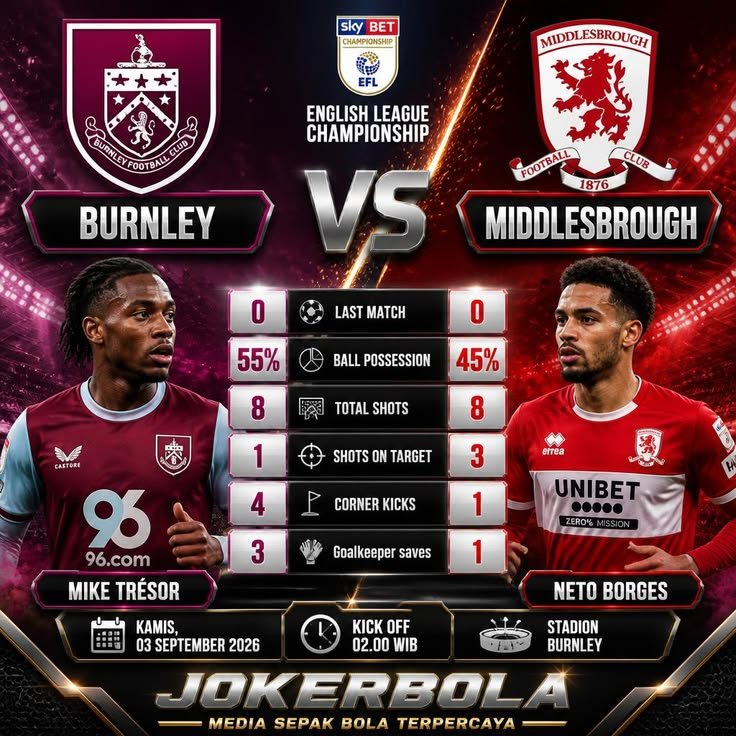
Comparing Two Teams
Match analysis can be used to compare the performances of two teams.
| Statistic | Team A | Team B |
|---|---|---|
| Goals | 2 | 1 |
| Possession | 55% | 45% |
| Shots | 14 | 9 |
| Shots on Target | 6 | 3 |
| Pass Accuracy | 88% | 82% |
| Corners | 7 | 4 |
This type of comparison gives fans a quick overview of key match statistics.
Football Match Analysis After the Game
Post-match analysis usually combines the final result with detailed statistics.
A complete match report can include:
- Final score
- Goalscorers
- Assists
- Match events
- Team statistics
- Player ratings or statistics
- Tactical observations
- Head-to-head information
- League-table impact
This creates a complete summary of the game.
Live Football Match Analysis
Live match analysis uses statistics collected while the game is taking place.
Depending on the data provider, fans may be able to follow:
- Live score
- Possession
- Shots
- Corners
- Cards
- Substitutions
- Goals
- Other match events
Live data allows users to follow matches without relying only on the final result.
Football Match Analysis on Statistics Websites
A football statistics website can create a dedicated page for every match.
A useful match page may contain:
- Teams and final score
- Match date and competition
- Live or completed status
- Team statistics
- Player statistics
- Goals and assists
- Match timeline
- Head-to-head history
- Recent team form
Organizing all of this information on one page can make match research easier for users.
Conclusion
Football match analysis combines statistics, tactics, player data, and match events to provide a deeper understanding of a game.
By studying goals, shots, possession, passing, defensive actions, xG, player statistics, and tactical information, football fans can look beyond the final score and better understand how a match was played.
For a football statistics website, detailed match analysis can connect fixtures, results, team statistics, player statistics, and head-to-head data in one useful resource.