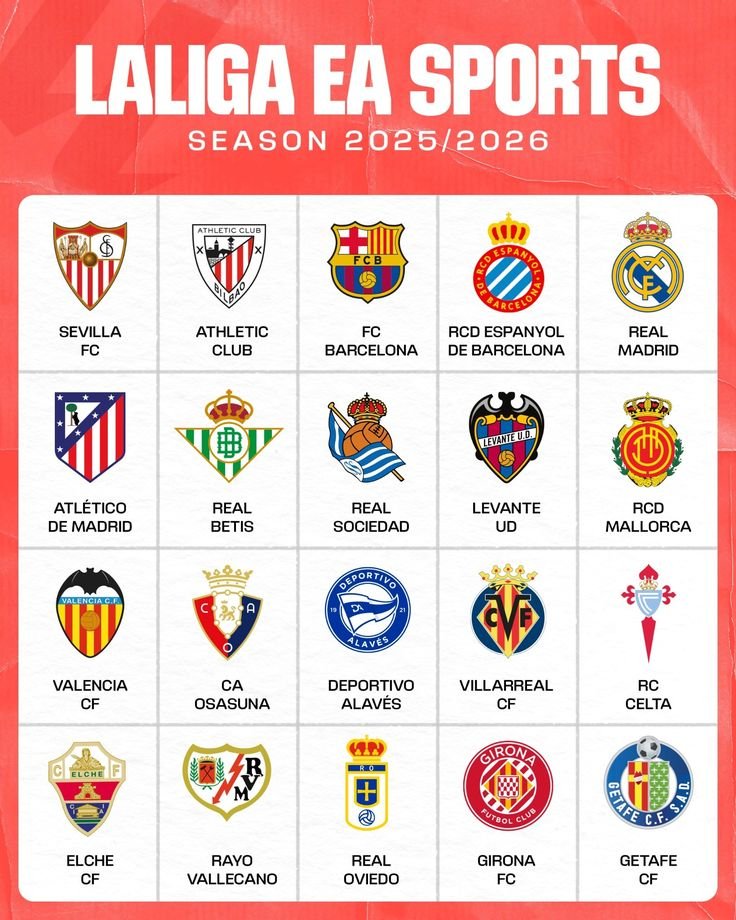
La Liga is one of the most famous football leagues in the world. Based in Spain, the competition features some of the country’s biggest football clubs and has produced many legendary players, teams, and matches.
Football fans around the world follow La Liga for its competitive matches, technical style of football, goals, player performances, and detailed statistics.
What Is La Liga?
La Liga is the top level of men’s professional football in Spain. It is officially known as Primera División and is organized by LALIGA.
The league brings together Spanish football clubs that compete throughout the season for the league title, European qualification places, and survival in the division.
History of La Liga
La Liga was established in 1929 and has become one of the most important domestic football competitions in Europe.
Throughout its history, the league has featured some of the greatest football clubs and players in the sport.
The competition has also been home to legendary rivalries, including El Clásico, the famous match between Real Madrid and Barcelona.
How Does La Liga Work?
La Liga traditionally operates as a league competition in which clubs play matches throughout the season.
Teams receive points based on their results:
- 3 points for a win
- 1 point for a draw
- 0 points for a loss
At the end of the season, teams are ranked according to their points and relevant tiebreaking criteria.
The team finishing at the top becomes the league champion.
Famous La Liga Teams
La Liga has several internationally recognized football clubs, including:
- Real Madrid
- Barcelona
- Atlético Madrid
- Athletic Club
- Sevilla
- Valencia
- Villarreal
- Real Sociedad
- Real Betis
- Celta Vigo
These clubs have contributed to the history of Spanish football through domestic and European competitions.
La Liga Statistics
Football statistics are an important part of following the league.
Fans can analyze statistics for both teams and individual players.
| Statistic | Description |
|---|---|
| Goals | Goals scored by players or teams |
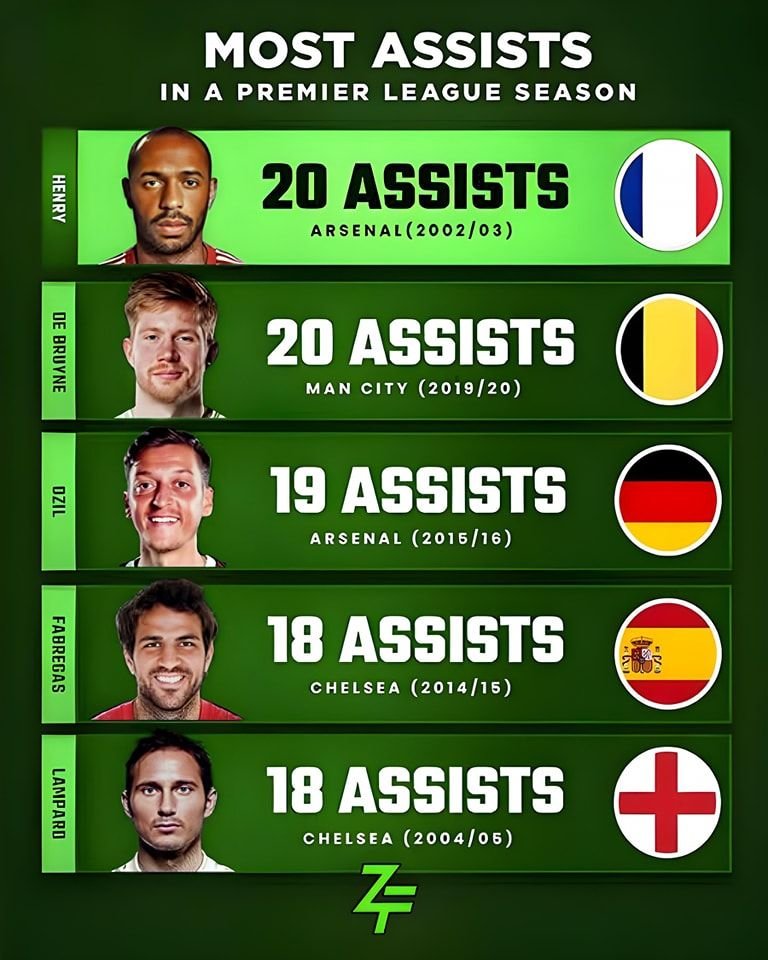
| Assists | Passes leading to goals |
| Matches Played | Number of matches played |
| Wins | Matches won |
| Draws | Matches ending level |
| Losses | Matches lost |
| Clean Sheets | Matches without conceding |
| Possession | Percentage of possession |
| Shots | Attempts to score |
| Passes | Passing statistics |
| Yellow Cards | Yellow cards received |
| Red Cards | Red cards received |
These statistics help supporters understand performances throughout the season.
La Liga Top Scorers
Goalscorers play an important role in La Liga.
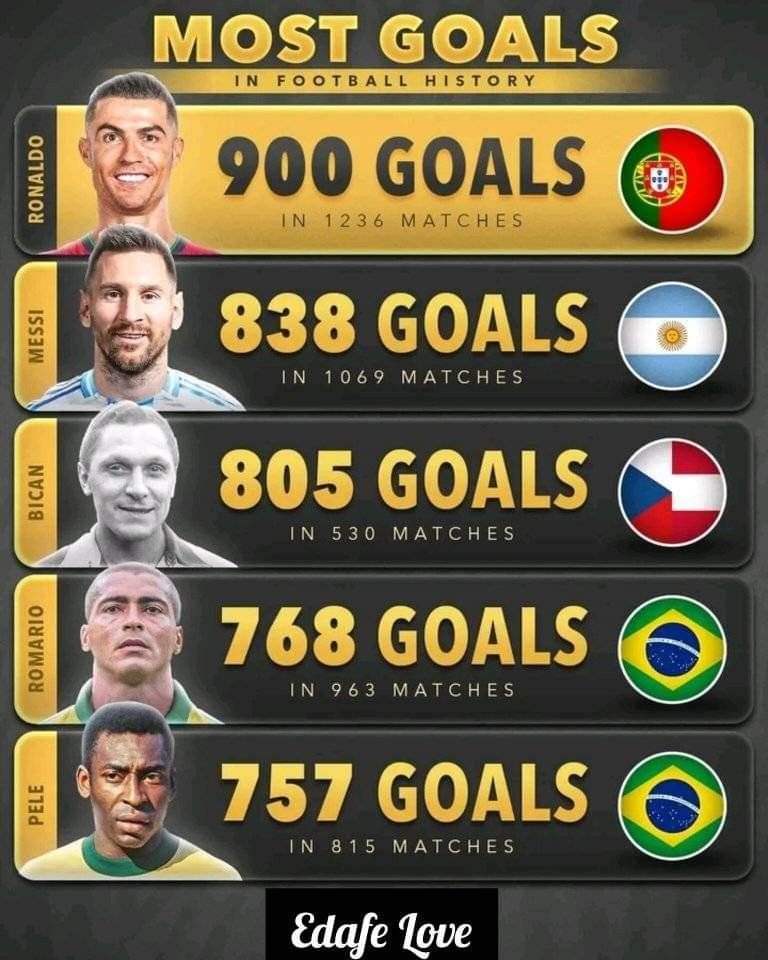
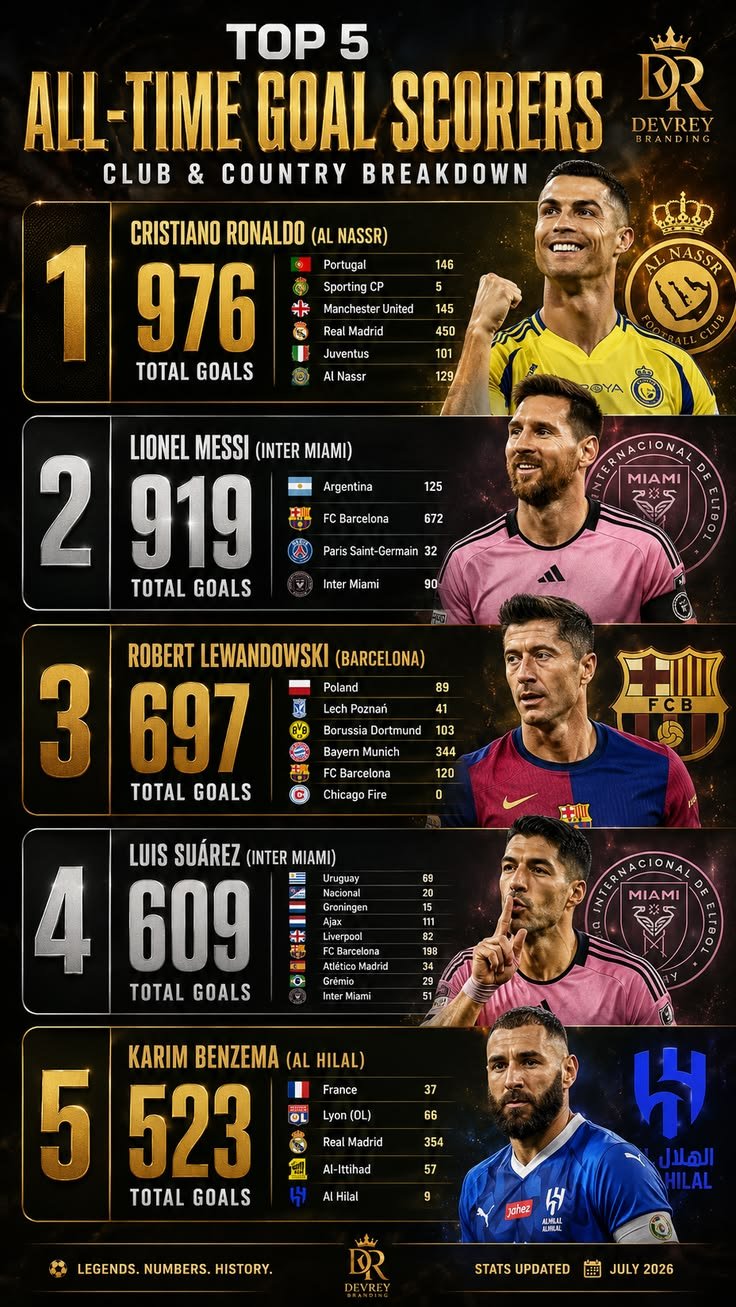
The league has produced many famous forwards and attacking players who have scored large numbers of goals throughout their careers.
La Liga top-scorer statistics can include:
- Total goals
- Goals per match
- Matches played
- Assists
- Penalty goals
- Goals from open play
These numbers allow fans to follow individual performances and compare players using objective statistics.
La Liga Fixtures
La Liga fixtures show when teams are scheduled to play their matches.
Fans can use fixture information to follow upcoming games and plan which matches they want to watch.
A football statistics website can provide information such as:
- Match date
- Kickoff time
- Home team
- Away team
- Stadium
- Match status
Fixture information is particularly useful when combined with team form and previous results.
La Liga Results
After a match has finished, fans can check the La Liga results to see the final score.
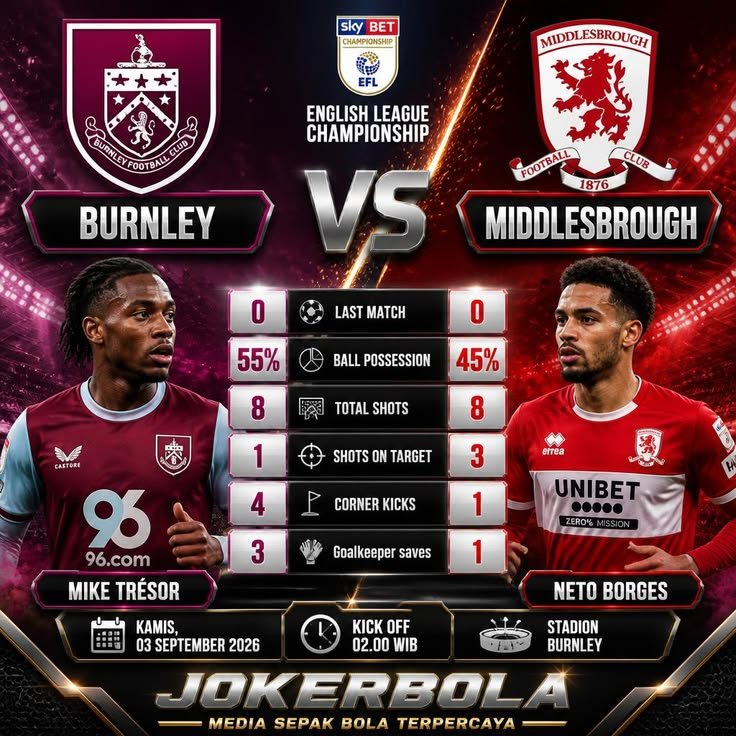
Match results can also be combined with detailed statistics such as goals, assists, possession, shots, cards, and other performance data.
Historical results are useful for analyzing team performance over multiple seasons.
La Liga Standings
The La Liga standings show the position of every team in the league.
A typical league table can include:
| Position | Team | Played | Wins | Draws | Losses | Points |
|---|---|---|---|---|---|---|
| 1 | Team A | 10 | 8 | 1 | 1 | 25 |
| 2 | Team B | 10 | 7 | 2 | 1 | 23 |
| 3 | Team C | 10 | 6 | 2 | 2 | 20 |
The standings help fans understand which teams are competing for the title, European qualification, or avoiding relegation.
El Clásico
One of the most famous fixtures in La Liga is El Clásico, the rivalry between Real Madrid and Barcelona.
The match attracts worldwide attention because of the history between the clubs and the large number of legendary players who have participated in the fixture.
Statistics from previous El Clásico matches can include wins, goals, assists, cards, and head-to-head records.
Why Are La Liga Statistics Important?
Statistics provide a way to analyze football beyond the final score.
For example, a team may lose a match but have more possession and shots. Looking at several statistics together can provide additional information about how the match was played.
Player statistics can also help fans follow goalscoring, assists, defensive performances, passing, and other aspects of the game.
Conclusion
La Liga is one of the most recognized football leagues in the world. Its history, famous clubs, legendary rivalries, talented players, and extensive statistical data make it an important competition for football fans.
Following La Liga fixtures, results, standings, player statistics, team statistics, goals, assists, and head-to-head records can provide a deeper understanding of Spanish football.