
Football rankings are used to compare teams or players based on their performances. They can be found in international football, domestic competitions, club competitions, and statistical platforms.
What Are Football Rankings?
Football rankings are systems used to place teams or players in a particular order according to specific criteria.
For teams, rankings can consider factors such as:
- Match results
- Wins and losses
- Goals scored
- Goals conceded
- Competition results
- Strength of opponents
Player rankings can use statistics such as goals, assists, appearances, passes, and other performance indicators.
FIFA World Rankings
One of the most well-known football ranking systems is the FIFA/Coca-Cola Men’s World Ranking, which ranks national teams.
The ranking is based on international match results and the strength and importance of the matches played.
National teams can move up or down the ranking as they play international matches.
Club Football Rankings
Club rankings can be used to compare professional football clubs from different competitions.
Depending on the ranking system, factors may include:
- Domestic league performance
- European competition results
- International competition results
- Wins and draws
- Strength of opponents
Different organizations may use different methods, so two football ranking systems can produce different results.
Football Player Rankings
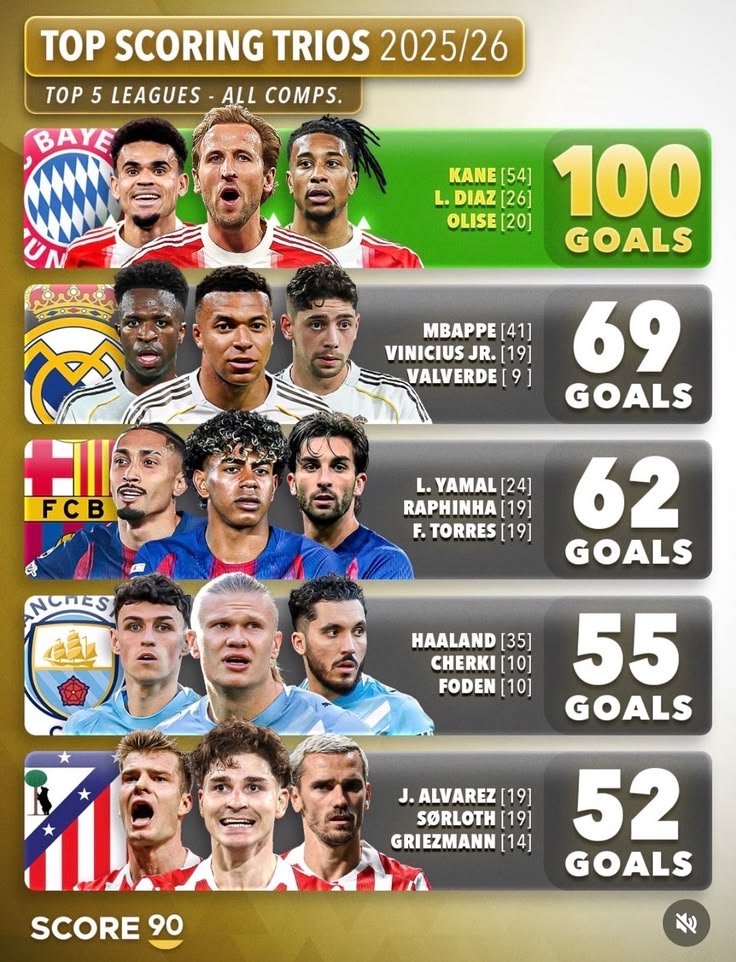
Player rankings focus on individual performances.
A statistical website might rank players according to:
| Statistic | Example |
|---|---|
| Goals | 20 |
| Assists | 10 |
| Appearances | 32 |
| Shots on target | 45 |
| Key passes | 65 |
The importance of each statistic depends on the ranking methodology.
League Rankings and Standings
Football rankings should not be confused with league standings.
League standings show where teams are positioned within a specific competition based on points and other tie-breaking criteria.
Rankings can compare teams across different competitions or countries using a particular methodology.
Why Do Football Rankings Matter?
Rankings provide a simple way to compare teams and players. They can help football fans understand performance trends and follow changes throughout a season or international cycle.
They are particularly useful for:
- Comparing national teams
- Comparing football clubs
- Tracking player performances
- Following changes over time
- Analyzing football statistics
How Football Rankings Change
Rankings can change after matches are played. A team’s position may improve after a strong run of results or decline after several poor results.
For this reason, rankings are dynamic and should always be considered alongside the date and methodology used.
Conclusion
Football rankings provide a structured way to compare teams and players using different performance criteria. From international rankings to club and player statistics, they are an important part of modern football analysis.
When using a football ranking, it is important to understand who created it, which period it covers, and how the ranking is calculated.