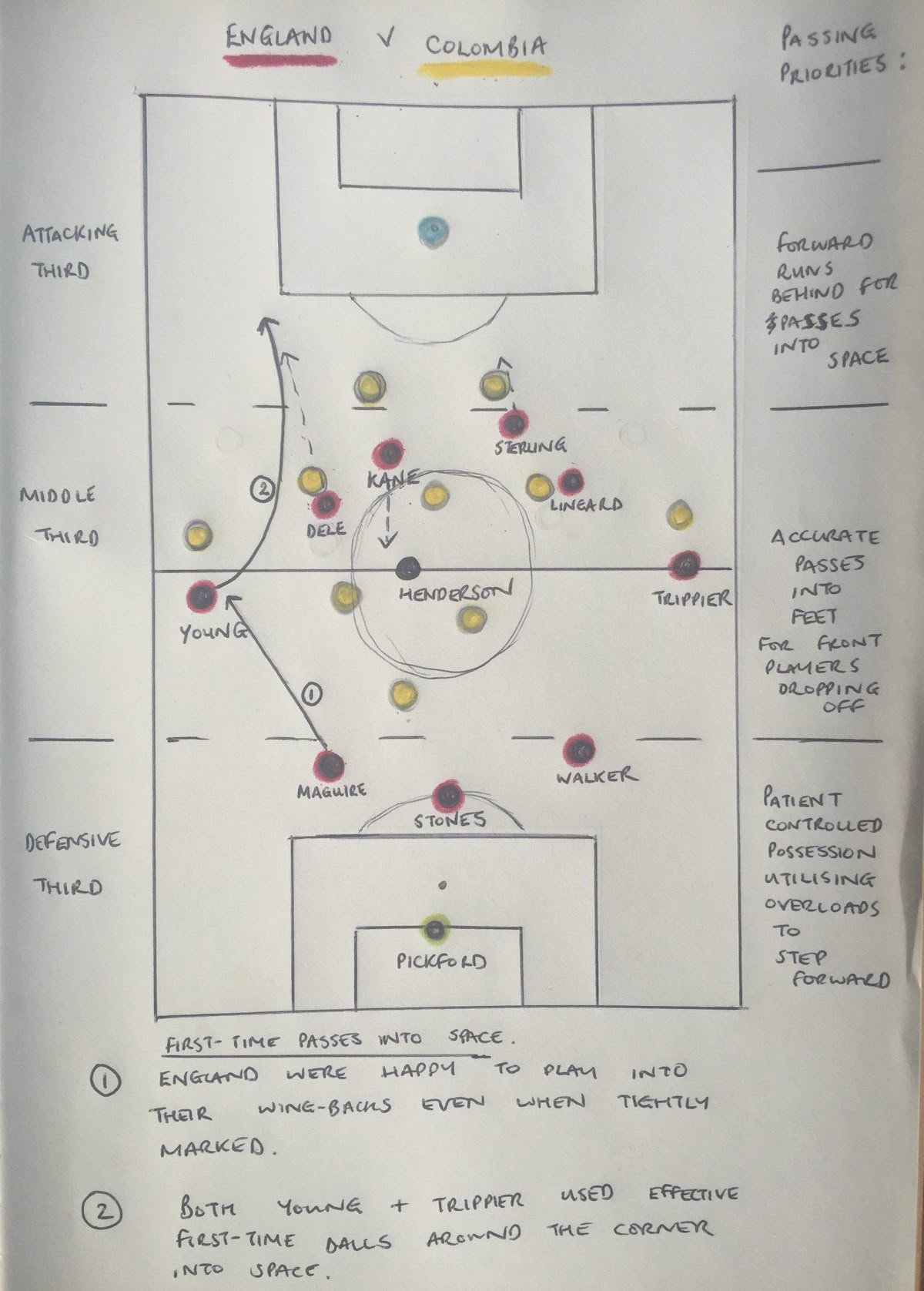
Football tactics describe the strategies and systems used by teams during a match. They determine how players position themselves, attack, defend, press the opponent, and move the ball around the pitch.
Understanding football tactics can help fans analyze matches beyond goals and results.
What Are Football Tactics?
Football tactics are the plans and methods a team uses during a match.
Tactics can influence:
- Player positioning
- Team formation
- Attacking movements
- Defensive organization
- Pressing
- Ball possession
- Counter-attacks
- Set pieces
Coaches may also change their tactics depending on the opponent, match situation, and available players.
What Is a Football Formation?
A football formation describes how players are organized on the pitch.
Common formations include:
- 4-4-2
- 4-3-3
- 4-2-3-1
- 3-5-2
- 3-4-3
- 5-3-2
The numbers generally describe the distribution of outfield players across defensive, midfield, and attacking lines.
4-4-2 Formation
The 4-4-2 is one of the most recognizable football formations.
It normally consists of:
- 4 defenders
- 4 midfielders
- 2 forwards
The system can provide a balanced structure between attack and defense.
4-3-3 Formation
The 4-3-3 formation usually includes:
- 4 defenders
- 3 midfielders
- 3 forwards
It can provide width through wingers and allow teams to use three central midfielders to control parts of the pitch.
4-2-3-1 Formation
The 4-2-3-1 features:
- 4 defenders
- 2 defensive or central midfielders
- 3 attacking midfielders
- 1 striker
It is often used to create a balance between defensive protection and attacking support.
3-5-2 Formation
The 3-5-2 normally uses:
- 3 central defenders
- 5 midfielders or wing-backs
- 2 forwards
Wing-backs can provide width while the three central defenders offer additional defensive coverage.
Possession-Based Football
Possession-based football focuses on keeping the ball and using passing movements to control the game.
Teams using this approach may prioritize:
- Short passing
- Ball retention
- Movement off the ball
- Creating passing angles
- Controlling the tempo
Possession alone does not necessarily determine the result of a match, but it can be an important part of a team’s tactical approach.
Counter-Attacking Football
Counter-attacking involves quickly attacking after winning possession.
A team may:
- Recover the ball.
- Move it forward quickly.
- Exploit open spaces.
- Create a scoring opportunity.
Counter-attacks can be particularly effective when the opposing team has many players forward.
Pressing in Football
Pressing is a defensive tactic used to put pressure on the opponent when they have possession.
Different pressing approaches include:
- High press
- Mid-block
- Low block
- Man-oriented pressing
- Zonal pressing
The objective can vary from forcing a mistake to preventing easy progression through midfield.
High Press
A high press involves defending higher up the pitch and attempting to win the ball close to the opponent’s goal.
It can create opportunities after turnovers but may also leave space behind the defensive line if the press is beaten.
Low Block
A low block involves defending deeper and keeping the team compact.
The objective is often to reduce space near the penalty area and make it difficult for opponents to create clear chances.
Defensive Tactics
Defensive tactics can include:
- Zonal defending
- Man-marking
- Pressing
- Defensive blocks
- Tracking runners
- Compact team shape
- Protecting central areas
A team may combine several approaches during the same match.
Attacking Tactics
Attacking tactics determine how a team attempts to create scoring opportunities.
Common methods include:
- Wing play
- Through balls
- Overlapping full-backs
- Quick combinations
- Crosses
- Long passes
- Counter-attacks
- Movement between defensive lines
The attacking approach often depends on the players available.
Set-Piece Tactics
Set pieces are situations in which the ball is restarted from a specific position.
They include:
- Corners
- Free kicks
- Throw-ins
- Penalties
Teams can prepare specific attacking and defensive routines for these situations.
Football Tactical Analysis
Tactical analysis examines how teams behave during different phases of a match.
Analysts may study:
| Area | What Is Analyzed |
|---|---|
| Formation | Player structure |
| Possession | Ball-control patterns |
| Pressing | How pressure is applied |
| Build-Up | How attacks begin |
| Transitions | Changes between attack and defense |
| Defensive Shape | Organization without the ball |
| Chance Creation | How scoring opportunities are produced |
| Set Pieces | Prepared routines |
This type of analysis can provide more detail than basic match statistics.
Football Tactics and Statistics
Modern tactical analysis often combines video observation with statistical data.
Useful statistics can include:
- Possession
- Passes
- Passing accuracy
- Shots
- Expected goals (xG)
- Progressive passes
- Progressive carries
- Recoveries
- Pressing actions
- Defensive actions
Using statistics together with tactical analysis can help explain how teams play.
Tactical Changes During a Match
Football tactics are not always fixed for 90 minutes.
A coach may change the system because of:
- The score
- Injuries
- Substitutions
- Opponent tactics
- Red cards
- Fatigue
- Need for a goal
For example, a team that is behind late in a match may introduce another attacking player and use a more offensive structure.
Football Tactics and Player Roles
Player roles are an important part of tactical systems.
Examples include:
- Goalkeeper
- Centre-back
- Full-back
- Defensive midfielder
- Central midfielder
- Attacking midfielder
- Winger
- Striker
Modern football can also include more specialized roles, such as inverted full-backs, pressing forwards, deep-lying playmakers, and ball-playing defenders.
How to Analyze Football Tactics
A simple tactical analysis can follow several areas:
1. Formation: Identify the team’s starting structure.
2. Possession: Examine how the team builds attacks.
3. Pressing: Observe where and when pressure is applied.
4. Transitions: Analyze what happens after gaining or losing possession.
5. Chance Creation: Study how the team produces shooting opportunities.
6. Defensive Shape: Look at how the team organizes without the ball.
Why Are Football Tactics Important?
Tactics influence how a team uses its players and spaces on the pitch.
Two teams can have the same formation on paper but play completely differently because of their pressing, player movements, passing patterns, and defensive organization.
Understanding tactics therefore adds context to football statistics and match results.
Football Tactics on Statistics Websites
A football statistics website can combine tactical information with match data.
A useful match-analysis page could include:
- Starting formations
- Player positions
- Possession
- Passing statistics
- Shots
- xG
- Match events
- Substitutions
- Team performance data
This gives users both statistical and tactical information in one place.
Conclusion
Football tactics explain how teams organize themselves to attack, defend, press, and control matches. Formations such as 4-4-2, 4-3-3, and 4-2-3-1 are only starting points; player roles, movements, pressing strategies, and transitions also shape the way a team plays.
By combining football tactics, match analysis, team statistics, player statistics, and performance data, fans can develop a deeper understanding of what happens on the pitch.