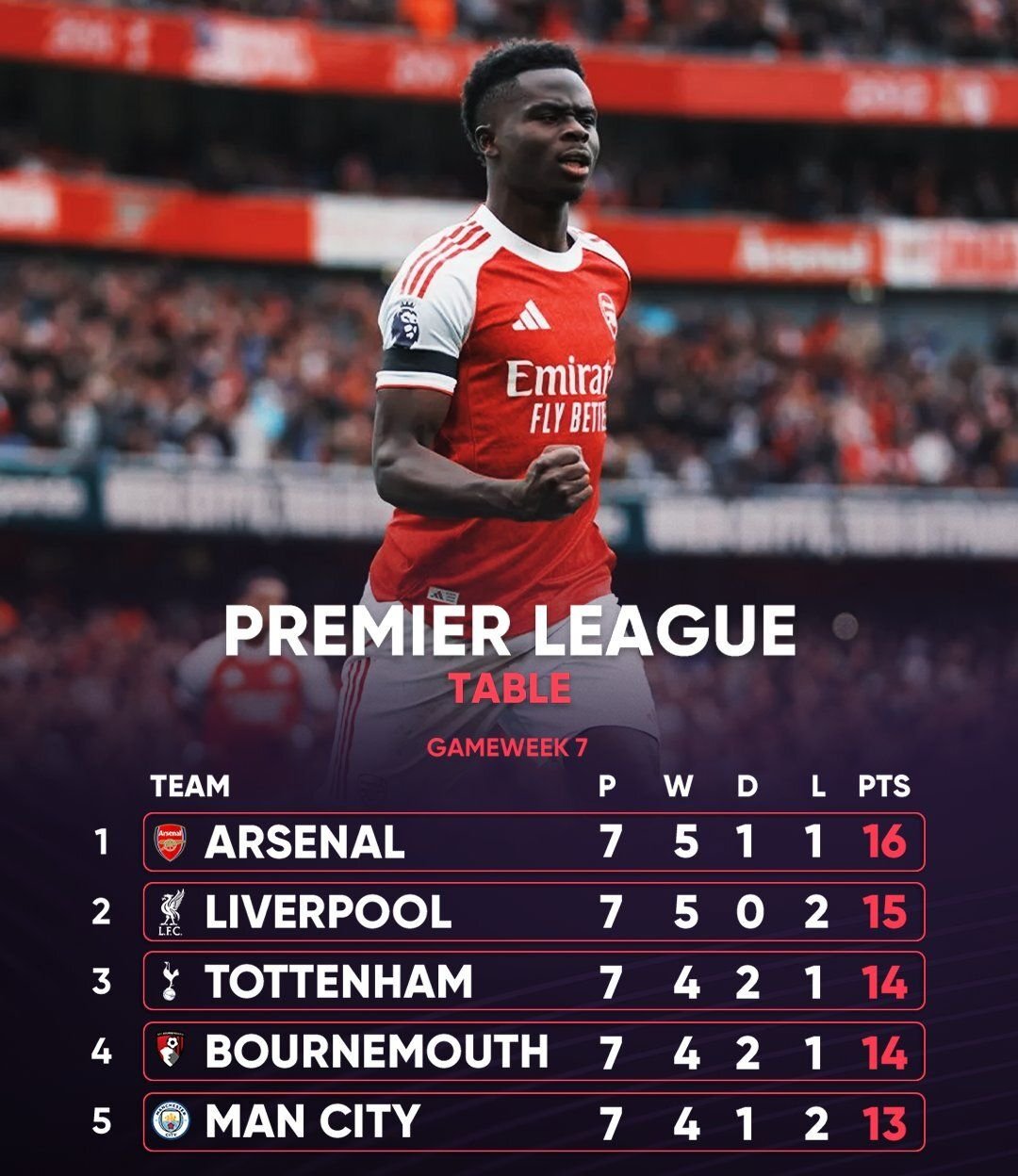

Football players are at the center of the sport. Each player has a specific role on the pitch, with different responsibilities depending on their position and the team’s tactical system.
What Is a Football Player?
A football player is an athlete who participates in the sport of football. Players work together to score goals, defend their goal, create opportunities, and control the game.
A professional football team usually has players with different positions and responsibilities.
Main Football Player Positions
Football players are generally divided into four main groups:
1. Goalkeeper
The goalkeeper protects the team’s goal and is the only player normally allowed to use their hands inside their own penalty area.
Important goalkeeper skills include:
- Shot stopping
- Positioning
- Reflexes
- Distribution
- Communication
2. Defenders
Defenders help prevent the opposition from creating scoring opportunities.
Common defensive positions include:
- Centre-back
- Full-back
- Wing-back
Their responsibilities can include marking opponents, winning tackles, blocking shots, and starting attacks from the back.
3. Midfielders
Midfielders connect the defensive and attacking areas of the team.
They can be responsible for:
- Passing
- Ball recovery
- Creating chances
- Controlling possession
- Supporting both defence and attack
Different midfielders can have very different roles depending on the team’s tactics.
4. Forwards
Forwards are generally focused on creating and finishing attacking opportunities.
Their responsibilities can include:
- Scoring goals
- Creating chances
- Pressing defenders
- Making attacking runs
- Providing assists
Important Football Player Statistics
Statistics help fans and analysts evaluate player performances.
Common football player statistics include:
| Statistic | What It Measures |
|---|---|
| Goals | Goals scored |
| Assists | Passes leading to goals |
| Appearances | Matches played |
| Shots | Attempts to score |
| Passes | Passes attempted/completed |
| Tackles | Defensive challenges |
| Interceptions | Opponent passes stopped |
| Key passes | Passes creating scoring opportunities |
The most useful statistics depend on the player’s position.
What Makes a Good Football Player?
Football players need a combination of technical, physical, tactical, and mental skills.
Technical abilities can include ball control, passing, shooting, dribbling, and crossing.
Tactical understanding helps players know where to move, when to press, and how to support teammates.
Football Players and Teamwork
Football is a team sport, so individual ability is only one part of performance. Players need to communicate and coordinate with their teammates.
A successful team usually requires players to understand their individual responsibilities as well as the overall tactical plan.
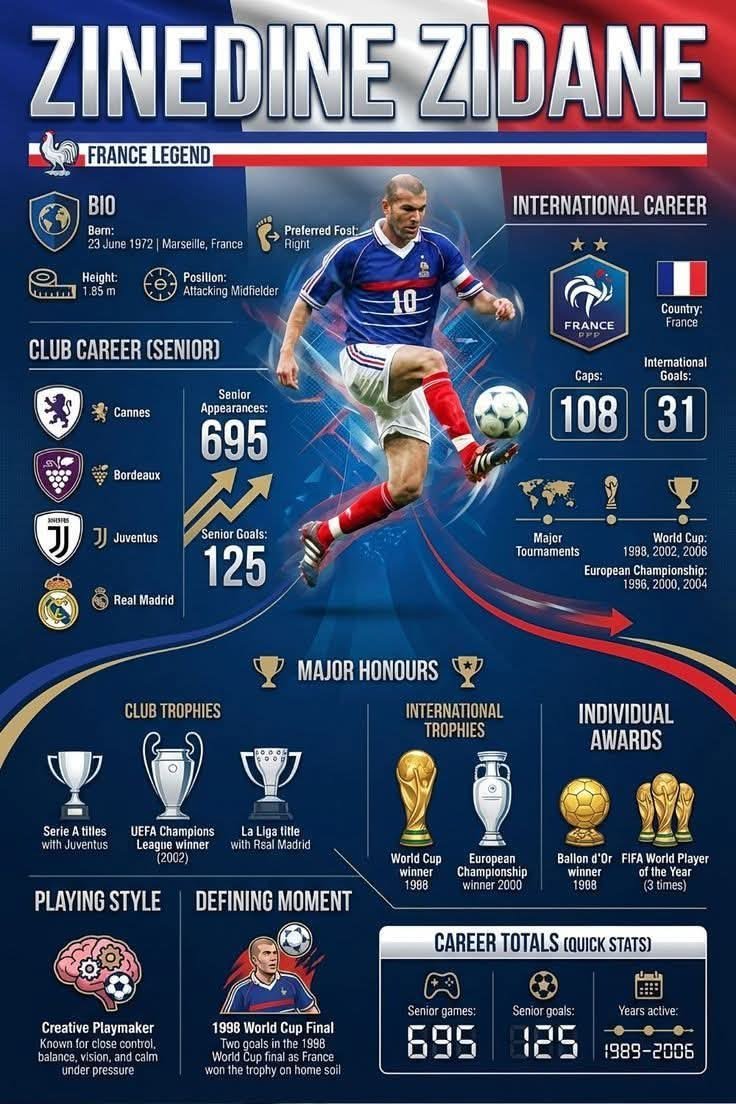
Famous Football Players
Football history includes many influential players who have achieved success at club and international level.
Players can become well known for different reasons, including:
- Goalscoring records
- Trophies
- Individual awards
- Long careers
- International performances
- Unique playing styles
How Football Players Develop Their Careers
Young players often develop through academies, youth teams, amateur clubs, or development programs before reaching professional football.
A professional career can involve playing for multiple clubs, participating in domestic competitions, and potentially representing a national team.
Conclusion
Football players have different positions, responsibilities, and skill sets. By studying player statistics alongside their roles and tactical responsibilities, fans can gain a deeper understanding of individual performances.
For a football statistics website, player profiles can include appearances, goals, assists, match ratings, and other statistics to help readers follow their favorite players.