Football history is filled with important competitions, legendary players, historic clubs, memorable matches, and major changes to the way the game is played.
From the early development of modern football to today’s global competitions, the sport has evolved significantly while remaining one of the world’s most popular games.
What Is Football History?
Football history is the study of how the sport developed over time.
It can include:
- The origins of football
- Development of modern football rules
- Growth of professional clubs
- International competitions
- Major football leagues
- Legendary players
- Tactical evolution
- Important football records
Studying football history helps fans understand how the modern game was created.
The Origins of Football
Different forms of ball games existed in various societies long before modern football.
However, the development of the rules and organizations associated with association football took place mainly in Britain during the 19th century.
As rules became more standardized, football developed into an organized sport played by clubs and schools.
Development of Modern Football
During the 19th century, organized football became increasingly popular.
The creation and standardization of rules helped establish a common version of the game. This made it easier for teams from different places to play against each other.
The sport gradually moved from informal matches toward organized competitions and professional football.
The Growth of Football Clubs
Football clubs played an important role in the development of the sport.
As interest increased, clubs began organizing regular matches and competitions. Some historic clubs later became major institutions in domestic and international football.
Club football eventually developed into professional leagues, domestic cups, and international club competitions.
The First Major Football Competitions
As football became more organized, national and international competitions were created.
Some of the major competitions in football history include:
- Domestic league competitions
- Domestic cup competitions
- European club competitions
- International tournaments
- World Cup competitions
These tournaments helped expand football audiences around the world.
FIFA and International Football
FIFA, the international governing body for football, was founded in 1904.
Its creation helped establish an organization for international football and contributed to the development of global competitions.
National teams later became an important part of football culture, with countries competing in major international tournaments.
FIFA World Cup History
The FIFA World Cup was first held in 1930.
It became one of the most important international sporting competitions, bringing together national teams from around the world.
World Cup history includes famous teams, players, goals, matches, records, and memorable tournaments.
Evolution of Football Leagues
Domestic football leagues became a major part of the sport.
Some of the world’s most recognized leagues include:
| League | Country |
|---|---|
| Premier League | England |
| La Liga | Spain |
| Serie A | Italy |
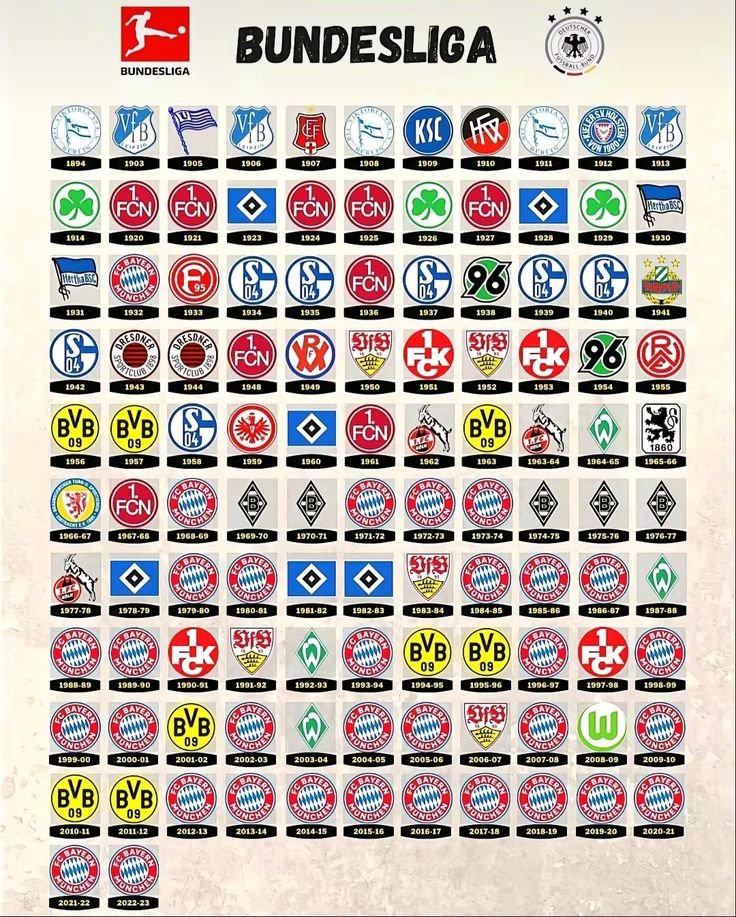
| Bundesliga | Germany |
| Ligue 1 | France |
These competitions have developed strong international audiences and have produced many historic teams and players.
European Club Football
European club competitions have played an important role in football history.
The European Champion Clubs’ Cup was established in the 1950s and later evolved into the UEFA Champions League.
The competition brought successful clubs from different European countries together and became a major part of modern club football.
Famous Football Players in History
Football history includes many legendary players who influenced the sport.
Different generations produced players known for their goalscoring, creativity, passing, defending, leadership, or technical ability.
Examples of historically influential players include:
- Pelé
- Diego Maradona
- Johan Cruyff
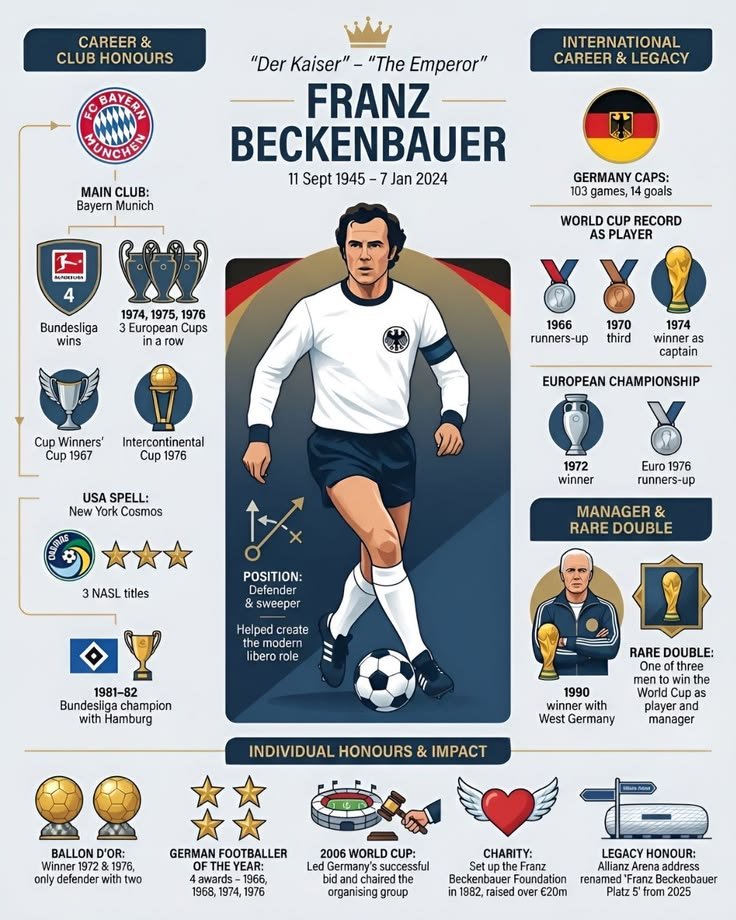
- Franz Beckenbauer
- Zinedine Zidane
- Ronaldo
- Lionel Messi
Comparisons between players from different eras should take into account differences in rules, competitions, playing styles, and available statistical data.
Evolution of Football Tactics
Football tactics have changed significantly over time.
Teams have used different formations and tactical approaches, including:
- 2-3-5
- WM formation
- 4-2-4
- 4-3-3
- 4-4-2
- 3-5-2
- 4-2-3-1
Modern football can also involve pressing, possession-based systems, counter-attacking strategies, and highly structured defensive organization.
Changes in Football Rules
Football rules have developed over the years.
Important changes have influenced:
- Offside
- Substitutions
- Goalkeeping
- Disciplinary rules
- Match officiating
- Technology
Modern football also uses technologies such as VAR (Video Assistant Referee) in competitions that have adopted the system.
Football and Technology
Technology has become increasingly important in modern football.
Examples include:
- Video Assistant Referee (VAR)
- Goal-line technology
- Player tracking
- Performance analysis
- Data analytics
- Digital match statistics
These technologies have changed the way matches are officiated and analyzed.
Football Records and History
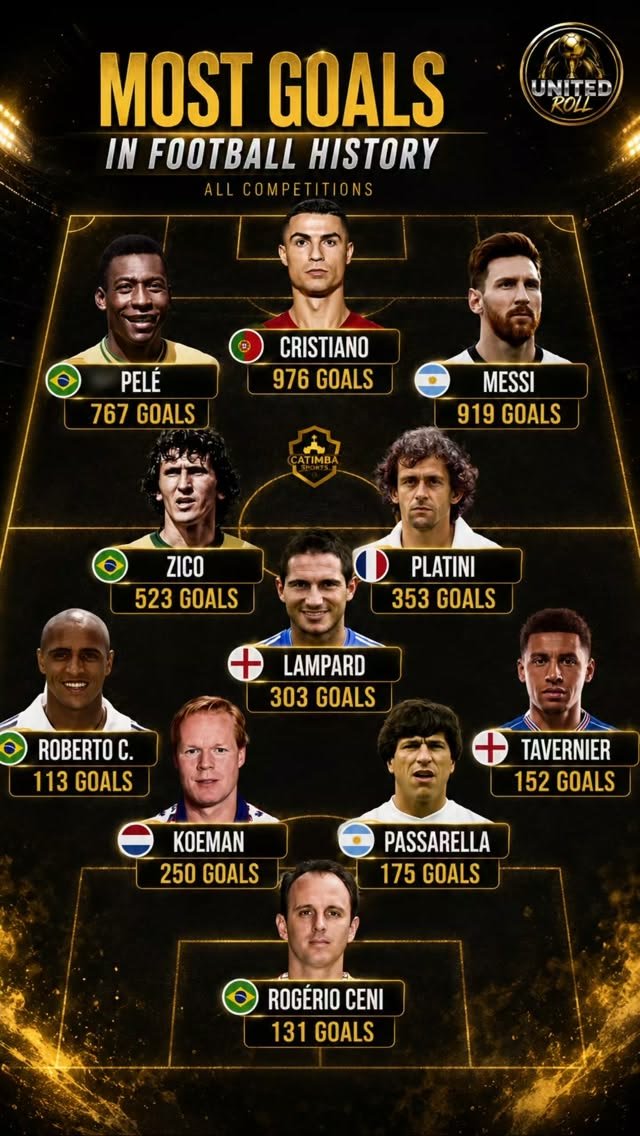
Football records help preserve important moments from the sport’s past.
Historical records can include:
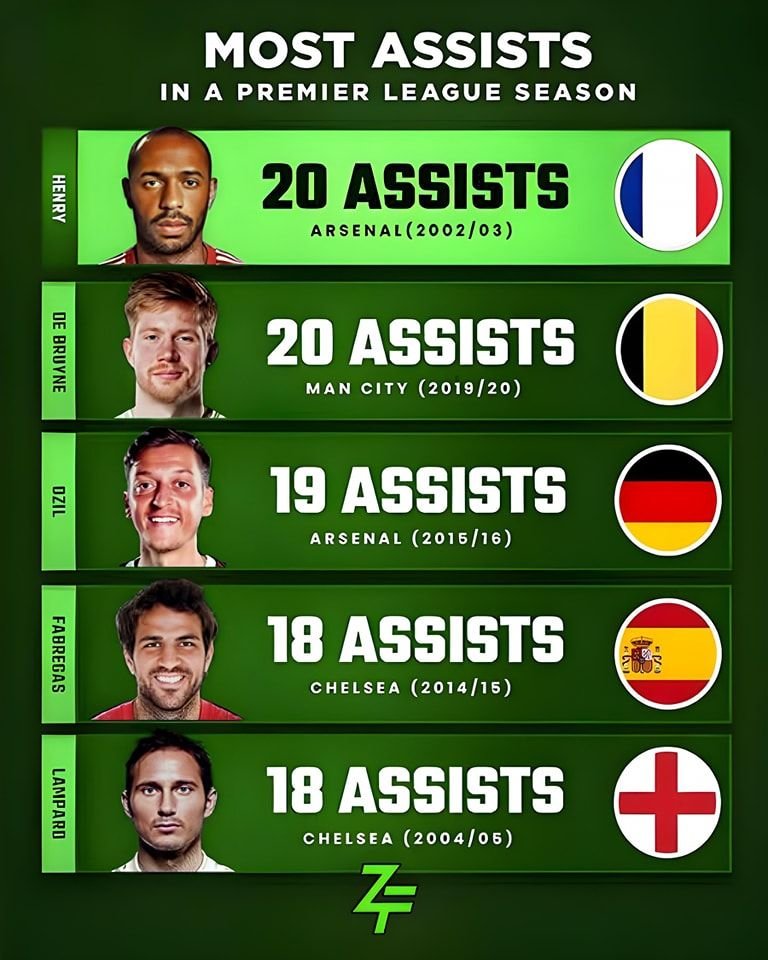
- Most goals
- Most appearances
- Most titles
- Longest unbeaten runs
- Biggest victories
- Most international goals
- Competition records
Football statistics are therefore an important part of documenting the history of the game.
Why Is Football History Important?
Understanding football history helps fans appreciate how the sport has changed.
It provides context for:
- Historic rivalries
- Major competitions
- Famous clubs
- Legendary players
- Tactical developments
- Football records
Historical knowledge can also make modern football statistics easier to understand.
Football History Databases
A football statistics website can include a dedicated history section containing:
- Historical match results
- Past league standings
- Player records
- Club records
- Competition history
- World Cup statistics
- Champions League history
- Historical top scorers
Organizing historical information allows fans to explore football across different eras.
Conclusion
Football history is the story of how the sport developed from organized matches in the 19th century into a global competition involving clubs and national teams from around the world.
From the FIFA World Cup and Champions League to historic leagues, players, tactics, and records, football history provides the context behind the statistics fans follow today.
For a football statistics website, combining historical results, player records, team statistics, competition data, and football records can create a valuable resource for fans interested in the numbers and history of the game.